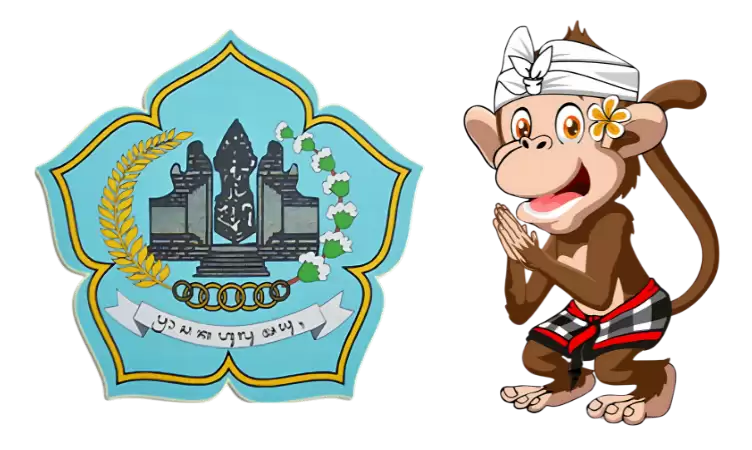

10 Do and Don’t Rules Every Uluwatu Visitor Should Know

A visit to Uluwatu can include much more than one attraction. You may spend the morning at Labuan Sait Beach, continue to Uluwatu Temple in the afternoon, meet the long-tailed macaques around the temple landscape, watch sunset from the cliffs, and finish with the Uluwatu Kecak Dance.
Because these experiences involve a sacred temple, protected wildlife, a cultural performance, and a natural beach environment, visitors are expected to follow several important guidelines.
These Uluwatu Temple rules are not complicated. Most of them simply ask visitors to dress appropriately, stay within designated areas, respect wildlife, follow staff instructions, and avoid actions that could disturb worship, performers, ceremonies, other visitors, or the environment.
For first-time travelers, understanding the rules before arrival can make the entire day safer and more comfortable.
1. Do Wear a Sarong, Sash, and Modest Clothing
Uluwatu Temple, or Pura Luhur Uluwatu, is an active sacred Balinese sea temple. Visitors should dress modestly and wear the required sarong and sash when entering the temple environment.
The sarong and sash are part of Bali temple etiquette, not simply accessories for photographs. They help visitors enter the sacred environment appropriately and remind everyone that Uluwatu Temple remains connected to prayer, offerings, ceremonies, and Balinese Hindu spiritual life.
Even when the weather is hot, avoid treating the temple area like a beach. Clothing appropriate for Labuan Sait Beach may not be appropriate inside the temple environment. Respect begins before you enter.
2. Do Use Official Ticket and Visitor Channels
Always follow the official ticketing and visitor information available at the destination.
For the Uluwatu Kecak Dance, the official gate opens from 16.00, while the performance runs from 18.00 to 19.00 daily. Visitors are encouraged to arrive before 5 PM for a smoother experience.
Remember that the Uluwatu Temple entrance ticket and the Kecak Dance ticket are separate. Parking is also separate from the temple entrance fee.
Using official channels reduces confusion about tickets, schedules, group information, and visitor requirements. It is also a good idea to prepare cash because cash payment is generally recommended for ticket-related transactions at the destination.
3. Don’t Enter Restricted or Sacred Areas
Some parts of Uluwatu Temple are not open for general visitor access. Do not cross barriers, enter restricted sacred areas, or step into spaces reserved for prayer simply because the view looks better from the other side.
This rule becomes even more important when ceremonies are taking place. Uluwatu is not a historical structure that exists only for sightseeing. It is a living sacred destination.
If an area is closed, temporarily restricted, or being used for worship, visitors should remain outside and follow staff instructions. A photograph is never more important than respecting the spiritual function of the temple.
4. Do Secure Your Belongings Around the Monkeys
Long-tailed macaques live around Uluwatu Temple and are regarded within the local cultural context as sacred guardians.
One of the most important Uluwatu monkey safety tips is to secure anything that can easily be taken. Phones, sunglasses, hats, jewelry, food, water bottles, and small loose items should be stored carefully before walking through areas where macaques are present.
The official conservation guidance specifically tells visitors to keep belongings secure and avoid unnecessary physical interaction with the animals.
If a monkey takes something, remain calm and ask staff for assistance. Do not chase the animal or try to force the item back yourself.
5. Don’t Feed, Touch, Chase, or Provoke the Monkeys
Uluwatu’s monkeys should never be treated like animals in a petting attraction. Do not feed them randomly, touch them, chase them, or tease or provoke them to create a funny photo or video.
Uluwatu has a structured conservation approach that includes dietary monitoring and sustainable feeding. Random tourist feeding can interfere with that system and encourage unnecessary interaction between visitors and wildlife.
A supervised feeding session is held every Sunday at 4 PM in front of the Kumba Karna Statue under staff supervision. This should not be interpreted as permission for visitors to feed macaques independently.
The best wildlife encounter is often the simplest one: observe from a safe distance and let the animals behave naturally.
6. Don’t Fly a Drone Without Authorization
The cliffs, temple, coastline, and sunset may look perfect for aerial photography, but visitors should not assume drones can be launched freely.
Do not fly a drone around Uluwatu Temple, Labuan Sait Beach, ceremonies, performances, or other managed areas without proper authorization. The official content guideline specifically warns against presenting drone use without permission.
There are good reasons for this. Drones can create noise around sacred areas, disturb wildlife, interrupt religious activity, affect performers, and create privacy or safety issues for other visitors.
Professional photographers or production teams requiring aerial footage should arrange the appropriate permission before arriving.
7. Don’t Use Flash During the Kecak Dance
The Uluwatu Kecak Dance is one of the destination’s most recognizable cultural experiences, but visitors should remember that they are part of an audience.
Flash photography should be avoided during the performance. Visitors should also follow the seating arrangement, remain seated when appropriate, keep conversations low, and avoid blocking the view of people around them. The official Kecak visitor guidance specifically calls for respectful behavior and no flash photography during the show.
The sunset and fire sequence can already create dramatic photographs without flash. More importantly, the performance should be experienced as cultural storytelling rather than treated like a photo session.
Kecak combines synchronized chanting, Ramayana storytelling, movement, Hanoman, and fire within a cliffside amphitheater. Respecting the performers helps everyone enjoy the experience.
8. Do Keep Labuan Sait Beach Clean
The wider Uluwatu visitor experience also includes Labuan Sait Beach, widely known as Padang-Padang Beach.
The beach is known for white sand, turquoise water, surfing, limestone formations, and its distinctive narrow rock passage. It is also connected to spiritual activities and ceremonies.
Keeping the beach clean is therefore part of responsible tourism Bali. Take rubbish with you or use the appropriate waste facilities. Do not leave bottles, food packaging, plastic, or other waste on the sand or around the rock areas.
The official responsible-tourism direction specifically asks visitors to keep the beach clean. Visitors should also follow lifeguard advice and avoid assuming that all ocean conditions are safe for swimming.
Respecting the beach means respecting both the environment and the people using it.
9. Do Respect Prayer, Ceremonies, and Cultural Activity
Visitors may occasionally encounter offerings, prayer, processions, Melasti, Piodalan, or other forms of living Balinese tradition. When this happens, slow down.
Do not walk through a prayer area, move ceremonial objects, stand directly in front of worshippers for photographs, or treat sacred activity like entertainment.
At Labuan Sait Beach, parts of the area may also be dedicated to ceremonial use during Melasti, and visitors are expected to respect temporary restrictions.
This is one of the most important Uluwatu visitor guidelines because it reflects the real identity of the destination. Uluwatu is not only a place to look at Balinese culture. It is a place where Balinese culture continues to live.
10. Do Follow Staff Instructions
The easiest rule to remember is also one of the most important: follow staff guidance.
Staff may provide instructions about temple access, monkey safety, seating during Kecak, ceremonial areas, photography, wildlife, beach safety, or other visitor matters. Conditions can also change depending on ceremonies, crowds, weather, wildlife activity, or events.
Following staff instructions is therefore more useful than assuming that every visit will work exactly the same way. The official Uluwatu visitor direction repeatedly emphasizes following visitor guidelines and respecting local instructions throughout the destination.
Responsible travel does not require knowing every local detail before you arrive. It requires being willing to listen.
Why These Rules Improve the Experience
Rules can sometimes sound restrictive, but these guidelines exist because Uluwatu brings several different environments together. There is a sacred temple, protected wildlife, a cliffside cultural performance, a beach, and living ceremonies. There are also visitors, worshippers, performers, staff, and local communities using the same wider destination.
Following the rules helps these experiences exist together without unnecessary conflict. That is what good Uluwatu travel tips should ultimately help visitors understand.
Respect the temple. Protect the wildlife. Keep the beach clean. Respect the performance. And follow local guidance.
About Uluwatu Temple & Labuan Sait Beach
Uluwatu Temple & Labuan Sait Beach is an official culture and nature destination in southern Bali where sacred heritage, dramatic cliffs, sunset, cultural performance, protected wildlife, beach experiences, conservation, ceremonies, and living Balinese traditions come together within one connected visitor environment.
At the center of the destination is Uluwatu Temple, or Pura Luhur Uluwatu, a sacred Balinese sea temple standing approximately 70 meters above the Indian Ocean. The temple remains connected to Balinese Hindu worship, spiritual heritage, prayer, offerings, and ceremonies. Visitors are required to wear a sarong and sash, follow temple etiquette, and respect restricted sacred areas throughout the visit.
The surrounding landscape adds another layer to the destination. Limestone cliffs, Indian Ocean views, walking paths, and sunset make Uluwatu one of southern Bali’s most recognizable coastal environments. These views are part of the experience, but they exist alongside sacred and cultural responsibilities.
Wildlife is equally important. Long-tailed macaques living around the temple are regarded as sacred guardians and are part of Uluwatu’s cultural and ecological identity. Conservation programs support their welfare through health monitoring, dietary management, sustainable feeding, habitat protection, veterinary support, and visitor education. Visitors play a role in that conservation simply by keeping belongings secure, avoiding random feeding, and maintaining respectful distance.
The cultural experience continues through the Uluwatu Kecak Dance, performed every day from 18.00 to 19.00. The performance combines synchronized chanting, Ramayana storytelling, movement, Hanoman, a dramatic fire sequence, and the cliffside sunset environment. The gate opens from 16.00, and visitors are encouraged to arrive before 5 PM.
Labuan Sait Beach, also widely known as Padang-Padang Beach, adds the coastal side of the destination through white sand, turquoise water, surfing, photography, limestone formations, and beach activities. At the same time, the beach is connected to spiritual traditions such as Melasti, reminding visitors that the coastline can hold both recreational and sacred meaning.
Together, these experiences explain why visitor guidelines matter. The rules are not designed to make Uluwatu difficult to visit. They help protect what makes Uluwatu meaningful.
Wear the appropriate temple clothing. Use official visitor channels. Stay outside restricted areas. Secure your belongings. Do not feed or disturb wildlife. Do not fly drones without authorization. Avoid flash during Kecak. Keep Labuan Sait clean. Respect ceremonies. Follow staff guidance.
Those ten simple habits help create a safer and more respectful experience for everyone.
Culture & Nature. Discover the Best of Uluwatu.
Respect the Temple. Protect the Wildlife. Enjoy Uluwatu Responsibly.


