

7 Things You Need to Know Before Visiting Uluwatu Temple
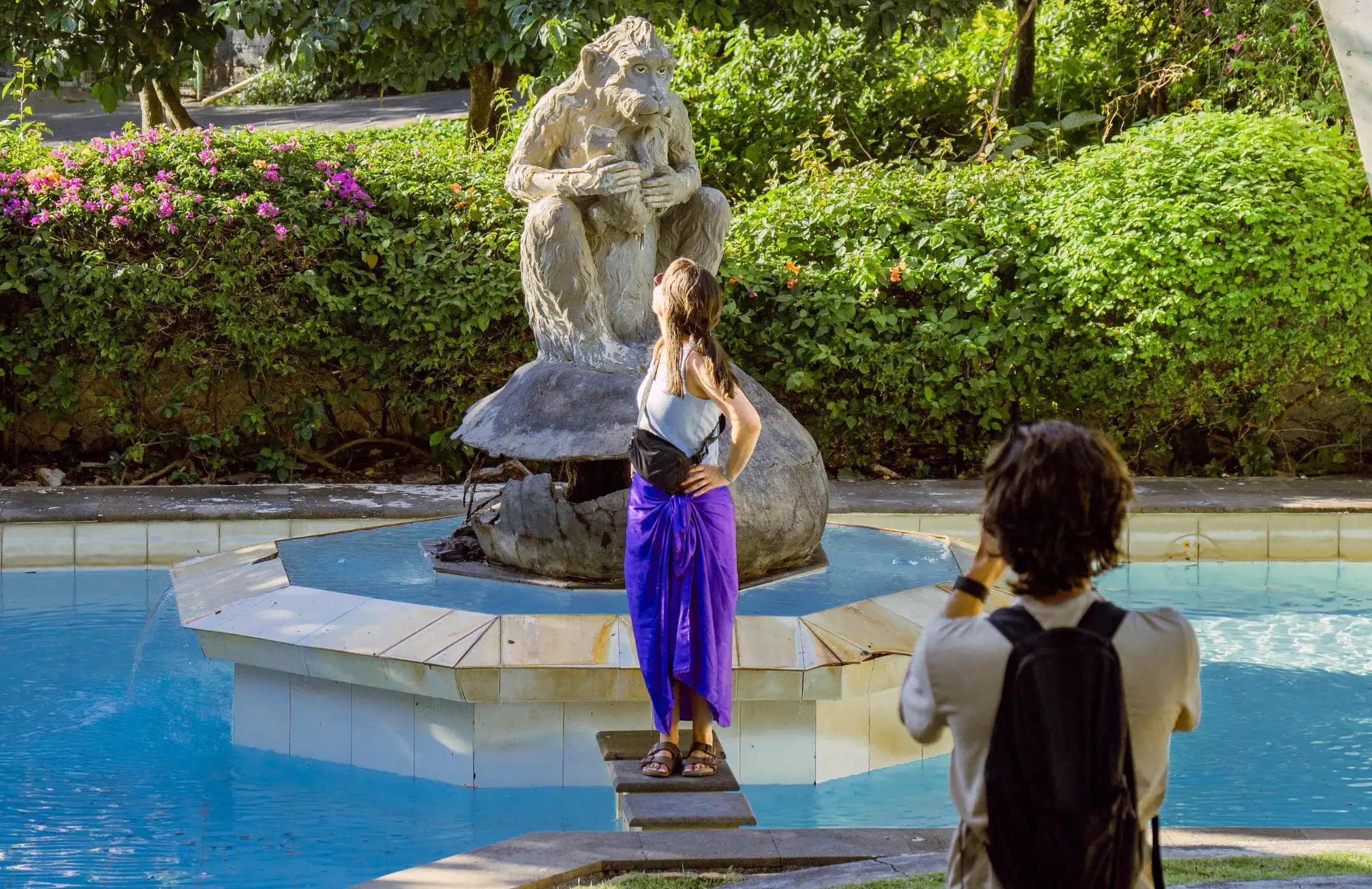
Visiting Uluwatu Temple for the first time should feel meaningful, not confusing. However, many travelers arrive without knowing that the temple entrance fee, parking fee, and Kecak Dance ticket are separate. Others come too late for sunset, forget the temple the monkeys.
This complete Uluwatu Temple guide explains the essential information you need before arriving, including the Uluwatu Temple entrance fee, Uluwatu Temple opening hours, dress requirements, monkey safety, sunset timing, and Kecak Dance ticket information.
Located on a dramatic limestone cliff overlooking the Indian Ocean, Uluwatu Temple Bali offers more than a scenic viewpoint. It is a sacred sea temple, an important part of Balinese Hindu heritage, and one of the most meaningful cultural destinations in southern Bali. e are seven things every first-time visitor should understand before entering the temple area.
1. Uluwatu Temple Is a Sacred Sea Temple
Uluwatu Temple, also known as Pura Luhur Uluwatu, is not simply a tourist attraction or sunset viewing point. It is one of Bali’s sacred sea temples and forms part of the island’s important spiritual landscape.
The temple stands on a limestone cliff approximately 70 meters above the Indian Ocean. Its position creates one of Bali’s most recognizable coastal views, but the location also carries spiritual meaning. Uluwatu Temple is associated with the protection of Bali’s southwestern coastline and is recognized as one of the island’s Sad Kahyangan, or six principal temples.
For visitors, this means the area should be explored with respect. Some sections are reserved for prayer and religious activities, while certain temple areas may only be entered by worshippers.
Photography is allowed in appropriate visitor areas, but guests should avoid treating sacred structures, offerings, ceremonies, or worshippers as ordinary photo props. Follow signs, remain within designated pathways, and listen to instructions from temple staff.
A responsible visit begins by understanding that Uluwatu is a living sacred site rather than a historical monument that no longer serves a religious purpose.
2. Uluwatu Temple Is Open Daily from 7:00 AM to 7:00 PM
The official Uluwatu Temple opening hours are:
7:00 AM–7:00 PM daily
The best arrival time depends on the experience you want.
Visitors who prefer quieter pathways and more comfortable walking conditions can arrive in the morning. The temperature is usually more manageable, and the temple area may feel less crowded than it does during the late afternoon.
However, visitors who want to experience the famous cliffside sunset should arrive between approximately 4:00 PM and 5:00 PM. This provides enough time to purchase the entrance ticket, wear the required sarong and sash, secure personal belongings, and explore several viewpoints before sunset.
Arriving too close to sunset can make the visit feel rushed. Late-afternoon traffic, ticket queues, walking time, and crowds around the viewpoints can all affect the experience.
For travelers planning to watch the Kecak Dance, arriving before 5:00 PM is strongly recommended. The Kecak gate opens at 4:00 PM, while the performance normally runs from 6:00 PM to 7:00 PM every day. 3. Understand the Uluwatu Temple Entrance Fee
One of the most common sources of confusion for first-time visitors is the ticket system.
The Uluwatu Temple entrance fee listed in the current brand visitor guide is:
International Visitors
- Adult: IDR 60,000
- Child: IDR 40,000
Domestic Visitors
- Adult: IDR 40,000
- Child: IDR 30,000
The temple entrance fee does not include the parking fee or the Uluwatu Kecak Dance ticket. These are paid separately.
Visitors should prepare cash before arriving because cash payment is commonly used at the ticket booths. Carrying smaller notes can also make the payment process easier during busy periods.
Ticket prices and operational policies may change, so check the official Uluwatu Temple information before your visit. This is especially important during public holidays, religious ceremonies, major events, or seasonal travel periods.
Understanding the ticket structure before arriving will help you avoid one of the most common mistakes made by first-time visitors: assuming that one ticket includes the temple, parking, and Kecak Dance.
4. Sarong and Sash Are Required
Following the Uluwatu dress code is a basic part of respecting the temple.
Every visitor entering the temple area must wear a sarong and sash. These are normally provided at the entrance and should be worn throughout the visit.
Visitors should also choose modest and comfortable clothing. Avoid excessively revealing outfits, especially because Uluwatu Temple remains an active place of worship. Clothing that covers the shoulders and knees is the safest choice for a respectful temple visit.
Comfortable walking shoes are also recommended. The visitor route includes steps, stone pathways, uneven surfaces, and long cliffside walking sections. Shoes with good support will make the visit more comfortable, especially if you plan to explore several viewpoints before sunset.
The sarong and sash are not costumes or decorative accessories. They form part of the etiquette expected when entering a sacred Balinese Hindu area. The official visitor guidance confirms that both items are required and provided at the entrance. travelers researching a reliable Bali temple guide, this is one rule that should never be overlooked: dress modestly, wear the required temple clothing, and respect the purpose of the place you are entering.
5. Keep Your Belongings Secure Around the Monkeys
The Uluwatu monkeys are long-tailed macaques that live throughout the forest and temple surroundings. In local belief, they are connected to the temple’s spiritual identity and are often described as Uluwatu’s sacred guardians.
They are not pets and should not be treated as entertainment.
Before entering the main pathways, place sunglasses, hats, phones, jewelry, food, water bottles, and other loose items inside a securely closed bag. Avoid carrying objects openly when walking near the monkeys.
Visitors should never feed, touch, chase, tease, or attempt to take close-contact photographs with them. Random feeding can encourage unsafe behavior and interfere with the conservation practices used to manage the wildlife population.
When a monkey approaches, remain calm and avoid sudden movements. Do not pull an object away aggressively or try to chase the animal. Should a monkey take one of your belongings, contact temple staff immediately. Staff members are familiar with the animals and are better prepared to assist with item retrieval. erving the monkeys from a safe distance protects both visitors and wildlife. Uluwatu’s monkeys are part of a living ecosystem and cultural landscape, not simply another attraction on a sightseeing checklist.
6. The Kecak Dance Ticket Is Separate
Watching the Uluwatu Kecak Dance is one of the most popular things to do in Uluwatu, but the performance is not included in the temple entrance ticket.
The current Kecak Dance information is:
- Gate opens: 4:00 PM
- Recommended arrival: before 5:00 PM
- Showtime: 6:00 PM–7:00 PM daily
- Adult ticket: IDR 150,000
- Child ticket, ages 2–9: IDR 75,000
The Kecak ticket does not include the Uluwatu Temple entrance fee or parking fee. Payment is generally cash-only. Tickets can be purchased through the official ticket booth near the temple entrance. Uluwatu Kecak Dance should not be understood only as a fire show. The performance presents a story from the Ramayana through synchronized chanting, circular formations, movement, characters such as Rama, Shinta, Rahwana, and Hanoman, and a dramatic fire sequence.
No musical instruments are used. The rhythm is created by the repeated voices of the performers, producing the recognizable “cak-cak-cak” chanting.
The open-air amphitheater, ocean cliffs, changing sunset sky, Ramayana storytelling, and collective chanting make the performance an important cultural experience rather than simply an evening spectacle.
During the show, remain seated, keep conversations quiet, avoid flash photography, and follow the seating instructions provided by staff.
7. Plan Enough Time and Follow the Temple Guidelines
A comfortable Uluwatu visit requires more time than simply entering, taking one photograph, and leaving.
Allow approximately one to two hours to walk through the visitor areas, enjoy the viewpoints, observe the temple environment, and move safely through the cliffside pathways. Add more time when visiting during sunset hours or attending the Kecak Dance.
Bring drinking water, sun protection, and comfortable footwear. However, keep food and loose objects secured around the monkeys. Stay inside designated visitor areas and never climb, sit, or stand on boundary walls for photographs. The cliffs are high, and unsafe behavior can place both visitors and staff at risk.
Do not enter restricted or sacred areas. Avoid loud music, littering, disruptive behavior, and unauthorized drone use. When a ceremony is taking place, give worshippers and processions sufficient space.
Visitors should also understand that access to certain areas may change during religious ceremonies or operational conditions. Follow the signs and instructions available on the day of your visit.
Plan Your First Visit with Confidence
Uluwatu Temple brings together sacred heritage, dramatic ocean cliffs, protected wildlife, sunset views, and one of Bali’s most recognizable cultural performances.
The key to enjoying it is preparation.
Check the latest Uluwatu Temple entrance fee and Uluwatu Temple opening hours, bring cash, arrive before sunset, wear the required sarong and sash, secure your belongings around the monkeys, and remember that the Kecak Dance and parking fees are separate.
Most importantly, visit Uluwatu as a sacred destination rather than only a sightseeing location.
Respect the temple. Protect the wildlife. Enjoy Uluwatu responsibly.