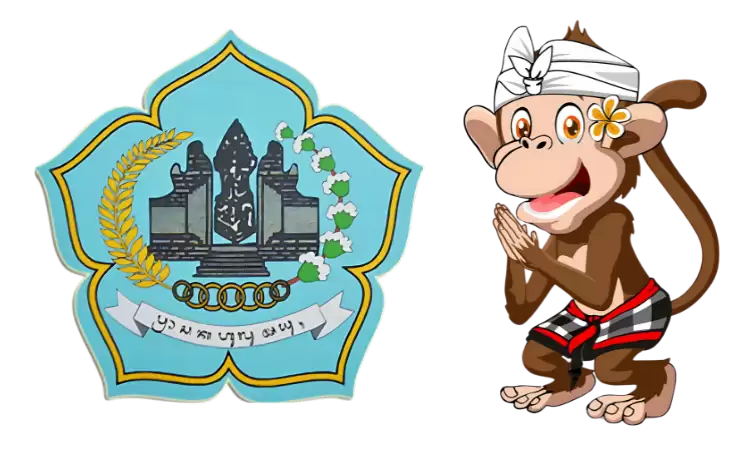

Tumpek Kandang 2026 at Uluwatu Temple and Its Meaning

Bali is known around the world for temples, ceremonies, traditional performances, and landscapes. But many of the island's traditions reveal something deeper about the relationship between Balinese people, spirituality, nature, and other living beings.
One of those traditions is Tumpek Kandang, also known as Tumpek Uye.
In 2026, Tumpek Kandang was observed on Saturday, September 5, corresponding with Saniscara Kliwon Wuku Uye in the Balinese Pawukon calendar. The sacred day returns every 210 days and is dedicated to expressing gratitude and respect toward animals.
At Uluwatu Temple, Tumpek Kandang has particular meaning.
The temple grounds are home to hundreds of long-tailed macaques that have become part of Uluwatu's cultural and natural landscape. Visitors may know them for their curious behavior, but within the context of Uluwatu, their presence carries a much deeper cultural meaning.
This makes Tumpek Kandang at Uluwatu Temple an important example of how Bali's spiritual traditions, wildlife, community, and conservation can exist together in one place.
What Is Tumpek Kandang?

Tumpek Kandang is a sacred day in the Balinese Pawukon calendar dedicated to animals.
It is also commonly called Tumpek Uye, referring to the Wuku Uye in which the celebration takes place. Tumpek Kandang occurs once every 210 days, which means it can be observed more than once within some Gregorian calendar years.
For Balinese Hindus, the occasion is not simply an "animal celebration."
It is a moment to recognize the place of animals within life and to express gratitude for the relationship between humans and other living beings.
Across Bali, the tradition can involve prayers, blessings, and offerings for animals. The exact way it is observed may differ depending on the community, family, location, and animals involved.
The ceremony reflects an important idea found throughout Balinese culture: humans do not live independently from nature.
People, animals, the environment, and spiritual life are interconnected.
When Was Tumpek Kandang in 2026?
In 2026, one observance of Tumpek Kandang fell on Saturday, September 5.
In the Balinese calendar, the day was Saniscara Kliwon Wuku Uye. The Pawukon calendar follows a 210-day cycle, which determines the timing of many traditional and religious days in Bali.
For international visitors, understanding this calendar is useful because many important Balinese ceremonies do not follow the same annual date in the Gregorian calendar.
This means travelers may unexpectedly encounter a temple ceremony, procession, religious gathering, or other cultural activity during their Bali holiday.
When this happens, it is important to remember that these traditions are first and foremost part of the religious and community life of Bali.
They should be observed respectfully rather than treated only as tourist attractions.
Why Tumpek Kandang Is Special at Uluwatu Temple

There are many places in Bali where Tumpek Kandang is observed, but Uluwatu has a distinctive connection to the occasion because of the macaques living around the temple.
According to Uluwatu Temple's conservation information, approximately 650 long-tailed macaques live around Uluwatu Temple, with another population living around Labuan Sait Beach. The monkeys are part of both the ecological environment and the cultural identity of the area.
For visitors, the monkeys may initially appear to be another interesting part of the Uluwatu experience.
For the local community, however, their presence has a cultural and spiritual dimension.
Uluwatu's website describes the monkeys as being connected with local beliefs surrounding the protection of the sacred temple area. They have lived around the temple environment for generations and are now closely associated with the identity of Uluwatu.
This relationship gives Tumpek Kandang at Uluwatu Temple a meaning that goes beyond the general celebration of animals.
It becomes a visible expression of the relationship between religion, culture, wildlife, and responsibility.
How Tumpek Kandang Has Been Observed at Uluwatu Temple
Previous Tumpek Kandang observances documented by Uluwatu Temple provide a useful picture of how the tradition can take place within the temple environment.
The celebration held in July 2025, for example, included prayers, ceremonial offerings, community participation, traditional dance, and the presentation of blessed fruits to the monkeys living around the temple.
These elements should be understood within their religious context.
They are not simply performances arranged for visitors.
Prayers and Blessings
Prayer forms an important part of the ceremony.
During the previously documented Uluwatu celebration, members of the community gathered for collective prayer before the offerings were distributed. The ceremony expressed gratitude and the intention to maintain harmony between humans, animals, nature, and the wider universe.
For visitors who happen to witness a religious ceremony at Uluwatu, this is an important moment to respect.
Keeping an appropriate distance, avoiding unnecessary noise, and following directions from temple staff allow ceremonies to continue without disruption.
Ceremonial Offerings
Offerings are another important part of Tumpek Kandang.
Fruit, flowers, and other ceremonial elements may be prepared, blessed, and presented as part of the religious observance.
At Uluwatu, previous Tumpek Kandang ceremonies have included blessed fruit being shared with the temple's macaques after prayers.
The act carries a symbolic meaning connected with gratitude, care, and coexistence.
It should not be confused with visitors randomly feeding monkeys.
Outside organized activities or directions from authorized temple staff, visitors are advised not to feed the monkeys themselves. Uluwatu Temple maintains feeding and wildlife-management practices designed to support their health and reduce inappropriate dependence on human food.
Community Participation
Another important part of Tumpek Kandang is the involvement of the local community.
Ceremonies like this continue because they remain part of living Balinese traditions.
They are not traditions recreated only for tourism.
Families, religious leaders, temple caretakers, community members, and other participants help maintain practices that have cultural significance beyond what visitors may see during a short trip.
This is one reason Uluwatu should be understood as more than a place for taking photographs or watching the sunset.
It remains a sacred place where religious and community life continues alongside tourism.
Tumpek Kandang and the Meaning of Tri Hita Karana
Tumpek Kandang can also help visitors understand the Balinese philosophy of Tri Hita Karana.
Tri Hita Karana is commonly understood through three relationships: harmony between humans and the divine, harmony among people, and harmony between humans and the natural environment.
Tumpek Kandang strongly reflects the relationship with nature.
Animals are not viewed simply in terms of their usefulness. The occasion encourages people to acknowledge their place within a shared environment and to express responsibility toward other living beings.
At Uluwatu, this idea becomes particularly visible.
The temple, forest, cliffs, ocean, wildlife, community, religious ceremonies, and visitors all occupy the same destination.
Maintaining balance among these elements requires more than preserving buildings.
It also requires protecting the natural environment and respecting the life that exists within it.
The Sacred Monkeys Are Also Part of Uluwatu's Conservation Story
The cultural meaning of the monkeys is only one part of the story.
Their health and habitat also require practical conservation.
Uluwatu Temple works with veterinarians and conservation specialists, including collaboration with the Faculty of Veterinary Medicine at Udayana University, to help monitor the macaque population.
According to the official conservation page, the program includes health monitoring, veterinary care, dietary management, vaccination, and habitat protection.
This connection between cultural respect and practical animal care is important.
Tumpek Kandang may take place on a particular sacred day, but responsible treatment of wildlife must continue throughout the year.
That includes the actions of visitors.
How Visitors Can Respect the Monkeys at Uluwatu Temple
Seeing the monkeys is often one of the most memorable parts of visiting Uluwatu Temple.
However, responsible observation is important for both visitor safety and animal welfare.
Visitors should avoid feeding, touching, chasing, or disturbing the macaques.
Items such as sunglasses, hats, loose accessories, and mobile phones should also be secured because the monkeys are intelligent, curious, and capable of quickly taking objects.
If a monkey takes something, visitors should not try to chase or fight the animal.
Instead, ask the temple staff for assistance.
The official visitor guidelines also recommend keeping a safe distance and allowing the monkeys to move naturally through the temple environment.
These simple actions support the same principle expressed by Tumpek Kandang: coexistence requires respect.
What Tumpek Kandang Can Teach Visitors About Bali

Many travelers arrive in Bali already familiar with its beaches, temples, rice terraces, and traditional dances.
But understanding ceremonies such as Tumpek Kandang offers another perspective.
It shows that Balinese culture is not limited to landmarks.
Culture is present in how communities interact with the environment, how sacred spaces are maintained, how religious calendars influence daily life, and how animals are included within spiritual traditions.
This is especially visible in Uluwatu.
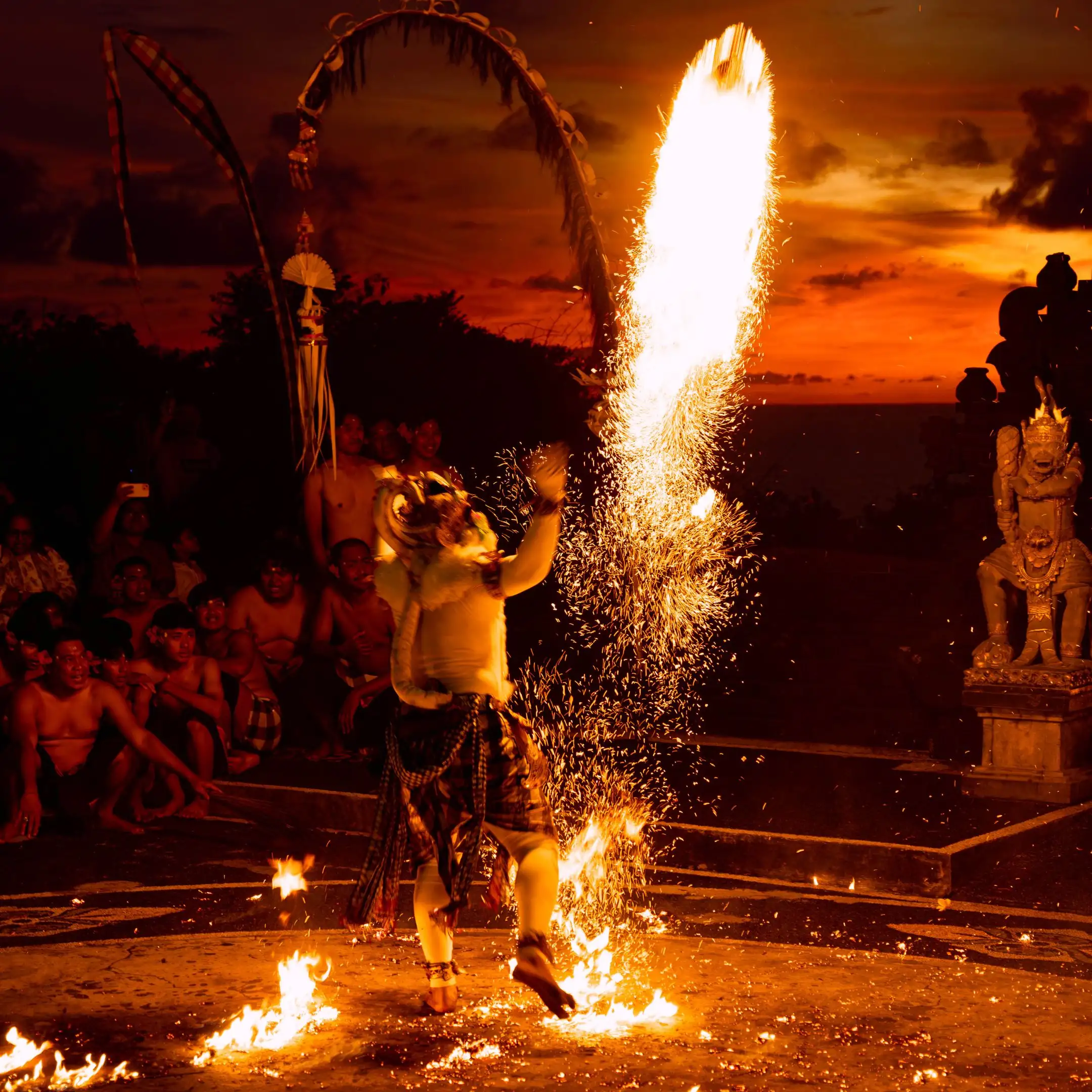
Within one area, visitors can encounter a sacred temple, dramatic coastal nature, long-tailed macaques, religious ceremonies, community traditions, and the famous Uluwatu Kecak Dance.
Each is different, but together they show why Uluwatu is much more than a sunset destination.
Visiting Uluwatu During a Religious Ceremony
If you visit Uluwatu Temple during Tumpek Kandang or another Balinese Hindu ceremony, normal tourism activity may take place alongside religious activity.
Visitors should always prioritize the sacred nature of the temple.
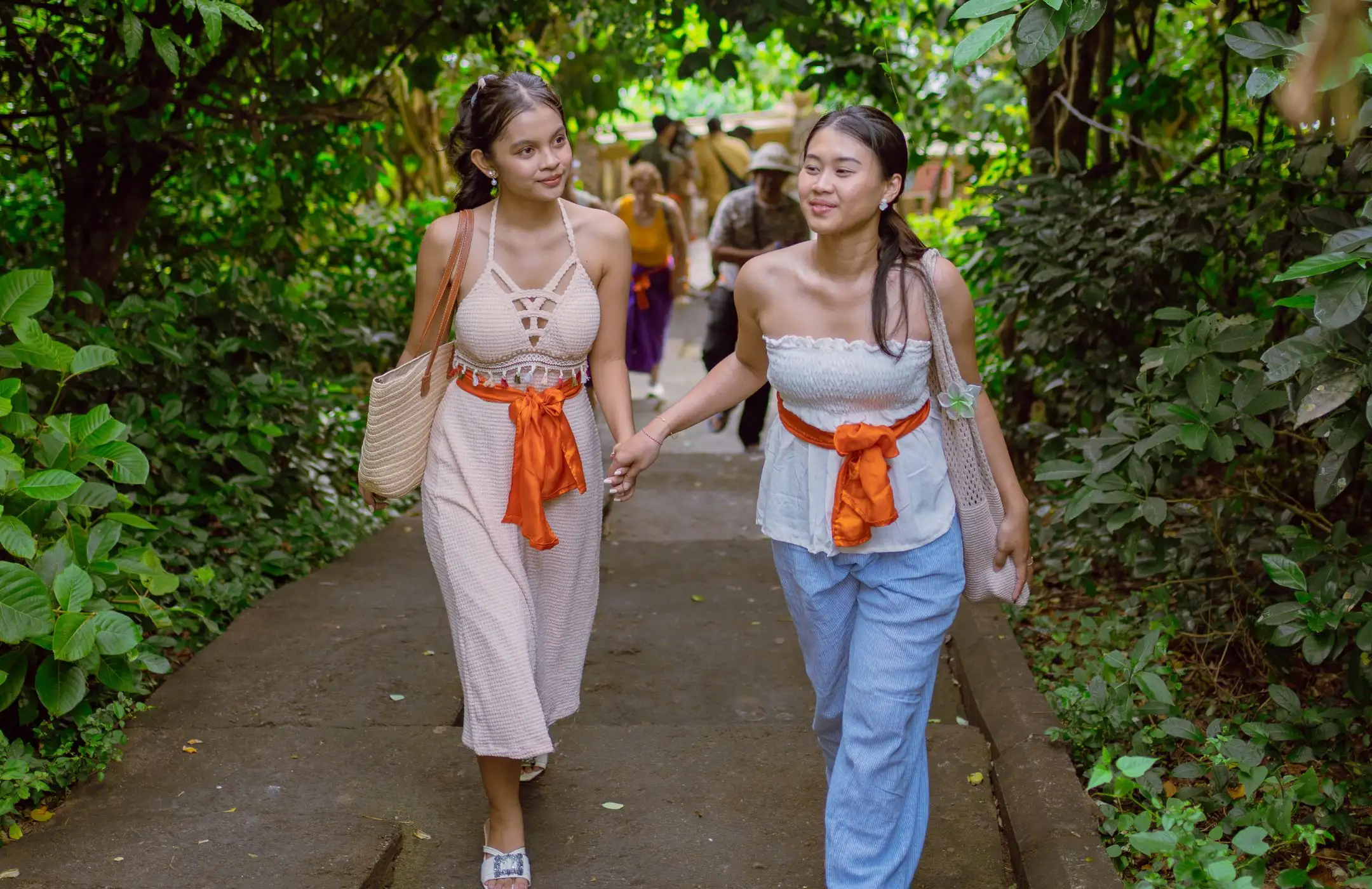
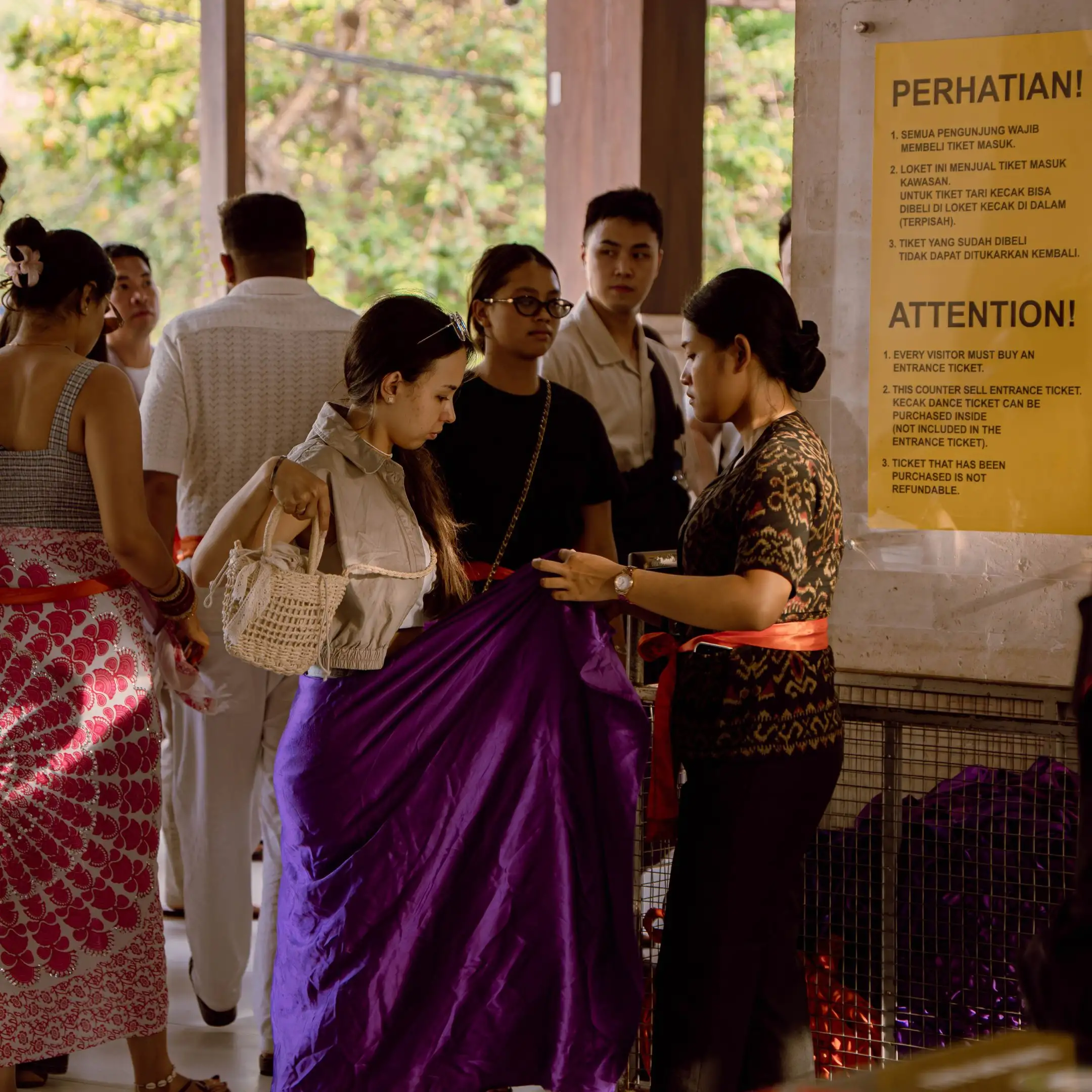
Dress modestly and use the sarong and sash required when entering the temple area. Avoid entering restricted religious spaces, particularly when ceremonies are taking place.
Photography should also be approached carefully.
A ceremony may be visually interesting, but not every moment needs to be photographed. Avoid blocking participants, standing too close to worshippers, or disrupting prayers to take pictures.
When unsure, follow instructions from temple staff.
A respectful visitor does not need to understand every part of a ceremony before appreciating it.
Sometimes the most appropriate thing to do is simply observe quietly.
Experience More of Uluwatu's Living Culture
Tumpek Kandang at Uluwatu Temple provides a different way to understand one of Bali's most recognizable destinations.
The temple is widely known for its clifftop setting, Indian Ocean views, monkeys, and sunset Kecak performance. Behind these famous experiences is a living cultural landscape shaped by religion, community, wildlife, and traditions that continue throughout the Balinese calendar.
Tumpek Kandang makes this relationship particularly clear.
The sacred day reminds us that animals are not separate from the cultural landscape around them. At Uluwatu, the long-tailed macaques are part of a wider relationship involving the temple, local beliefs, conservation work, and the responsibility to protect the environment they inhabit.
For visitors, learning about traditions like Tumpek Uye Bali can make a trip to Uluwatu more meaningful.
You may arrive for the cliff views, the temple, or the Kecak Dance.
But understanding the traditions that continue here helps reveal another side of Uluwatu: a sacred destination where Balinese spirituality, culture, nature, and wildlife remain closely connected.
When you visit, explore with curiosity, follow local guidelines, and respect the ceremonies, people, animals, and sacred spaces that make Uluwatu what it is.