

Uluwatu Temple Entrance Fee 2026 and What Is Included
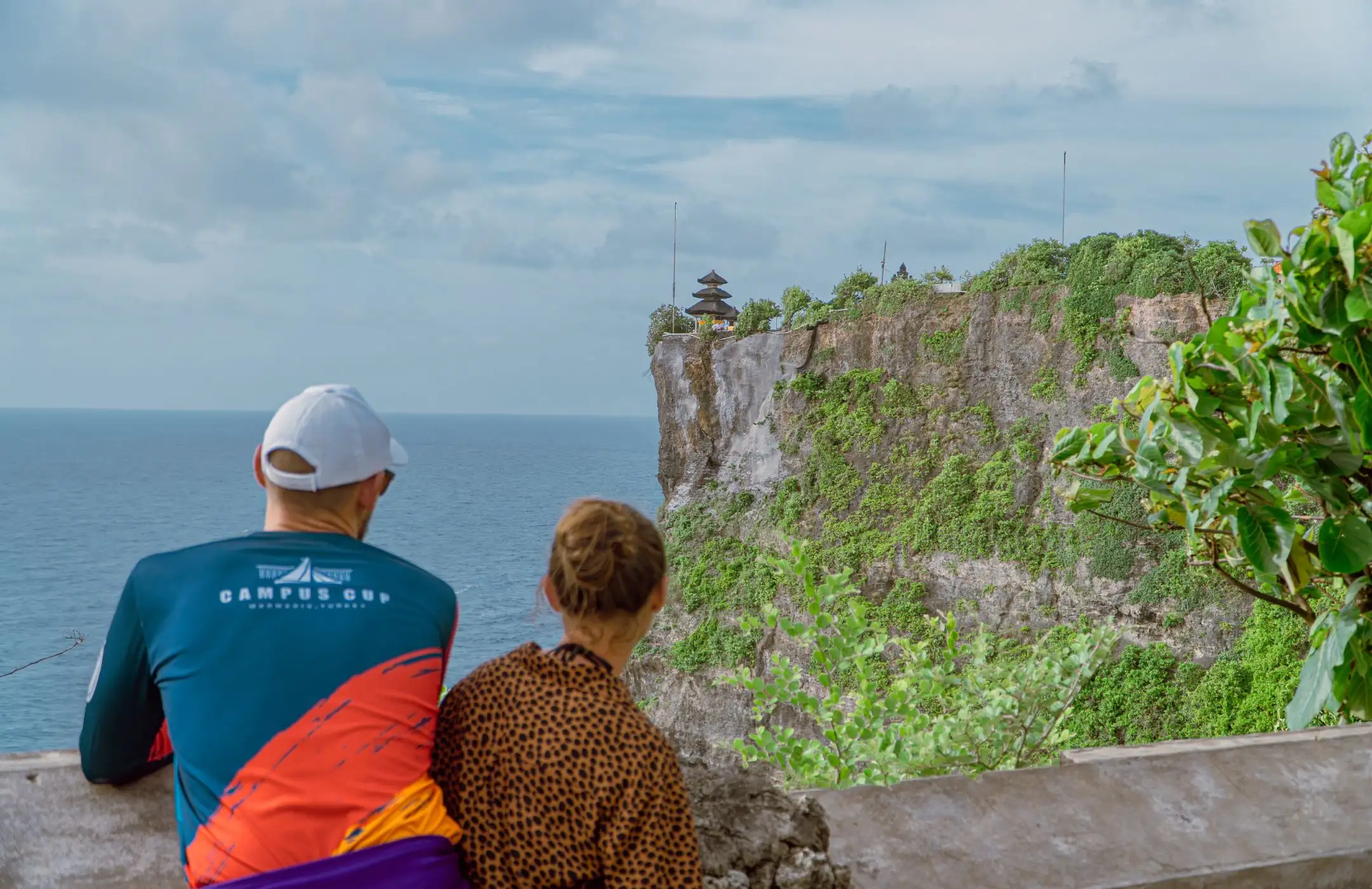
Planning a first visit to Uluwatu Temple becomes much easier when you understand the ticket system before arriving.
Many visitors assume that one payment covers the temple entrance, parking, and Kecak Dance. In reality, these are separate charges. Knowing the current Uluwatu Temple entrance fee, what the ticket includes, and which additional costs to prepare can help you avoid confusion at the gate.
This Uluwatu ticket guide explains the 2026 entrance prices for international and domestic visitors, the included sarong and sash, separate parking fees, Kecak Dance tickets, cash preparation, and other practical details for a smoother visit.
Uluwatu Temple Entrance Fee in 2026
The current Uluwatu Temple ticket price is divided between international and domestic visitors.
International Visitors
- Adult: IDR 60,000
- Child: IDR 40,000
Domestic Visitors
- Adult: IDR 40,000
- Child: IDR 30,000
The ticket gives visitors access to the designated public areas of Uluwatu Temple during its operating hours.
Uluwatu Temple is open daily from:
7:00 AM to 7:00 PM
The price does not include parking or admission to the Uluwatu Kecak Dance. Visitors planning to experience both the temple and the sunset performance should prepare separate payments.
Ticket prices and operational arrangements may change during special events, religious ceremonies, public holidays, or future management updates. Checking the official Uluwatu Temple website before arriving is recommended.
What Is Included in the Uluwatu Temple Ticket?
The standard entrance ticket includes access to the public visitor areas of Uluwatu Temple.
Visitors can explore the designated cliffside pathways, enjoy views of the Indian Ocean, observe the sacred temple environment, and visit available viewpoints within the permitted area.
The entrance ticket also includes the use of a sarong and sash.
Both items are required for visitors entering the temple grounds. They are provided at the entrance, so travelers do not normally need to purchase or bring their own unless they prefer to wear personal temple clothing.
The sarong and sash are not simply decorative additions to the experience. They form part of the respectful dress requirements followed when entering a sacred Balinese Hindu area.
The Uluwatu Temple cost therefore covers more than access to a scenic viewpoint. It allows visitors to enter one of Bali’s important sacred sea temple environments while following the cultural guidelines established for the area.
Sarong and Sash Are Included
Every visitor must wear a sarong and sash inside the temple area.
These items are included with the entrance ticket and can be collected at the official entrance. Temple staff can assist visitors with wearing them correctly before entering.
Even though the sarong covers the lower part of the body, visitors should still arrive in modest clothing. Avoid outfits that are excessively revealing, and choose clothing that is comfortable for walking outdoors.
Uluwatu Temple stands on a high limestone cliff and includes stairs, stone surfaces, and long pathways. Comfortable shoes are recommended, especially for visitors who want to explore several viewpoints before sunset.
Wearing the required temple clothing is part of respecting Pura Luhur Uluwatu as an active spiritual site. The area is not only a tourist destination. It remains connected to Balinese Hindu worship, ceremonies, sacred monuments, and local traditions.
Parking Is Not Included
Parking is charged separately from the Bali temple entrance fee.
The exact parking amount may depend on the type of vehicle and the current on-site policy. Visitors arriving by scooter, private car, or group vehicle should prepare additional cash for parking.
This separate payment is one of the details first-time visitors often overlook.
Paying the Uluwatu Temple entrance fee does not automatically cover:
- Motorcycle or car parking
- Kecak Dance admission
- Food and drinks
- Guide services
- Personal purchases
- Transportation to and from the temple
Travelers should include these possible expenses when calculating their total visit budget.
For families and groups, preparing the correct amount before arriving can make the entrance process faster, especially during busy afternoon periods.
The Kecak Dance Ticket Is Separate
The Uluwatu Kecak Dance is not included in the temple entrance ticket.
Visitors who want to watch the performance must purchase a separate Kecak Dance ticket at the official booth near the temple entrance.
The current ticket prices are:
- Adult: IDR 150,000
- Child aged 2–9: IDR 75,000
The performance normally takes place every day from:
6:00 PM to 7:00 PM
The gate opens at:
4:00 PM
Visitors are encouraged to arrive before 5:00 PM. The amphitheater is popular, particularly during weekends, holidays, and Bali’s peak travel seasons.
The Kecak Dance ticket does not include the Uluwatu Temple entrance fee or parking fee. Visitors must therefore prepare for three possible separate payments:
- Uluwatu Temple entrance
- Parking
- Uluwatu Kecak Dance ticket
Understanding this system before arriving is one of the most important Uluwatu travel tips for first-time visitors.
Why the Kecak Dance Requires a Separate Ticket
Uluwatu Temple and the Kecak Dance are connected experiences, but they have different visitor access and ticketing systems.
The temple entrance allows visitors to explore the public temple grounds and cliffside viewpoints. The Kecak ticket provides access to the amphitheater and the evening cultural performance.
The Uluwatu Kecak Dance presents part of the Ramayana through synchronized chanting, collective movement, dramatic characters, and a fire sequence. The performance uses no musical instruments. Its rhythm is created by the repeated “cak-cak-cak” voices of the performers.
The cliffside amphitheater and sunset provide a powerful natural setting, but visitors should not treat the performance only as a sunset show or fire attraction. It remains a presentation of Balinese culture and Ramayana storytelling.
Purchasing the separate ticket helps visitors understand that the Kecak Dance is a complete cultural experience rather than an automatic extension of general temple entry.
Cash Payment Is Recommended
Preparing Indonesian rupiah before arriving is strongly recommended.
Cash is commonly used for entrance tickets, parking, Kecak Dance tickets, small purchases, and nearby local services. Digital or card payment availability may vary between different payment points.
For smoother cash payment in Bali, carry enough smaller notes rather than relying only on large denominations.
Before leaving for Uluwatu, calculate the possible cost based on your plan.
For example, an international adult planning to enter Uluwatu Temple and watch the Kecak Dance should prepare at least:
- Temple entrance: IDR 60,000
- Kecak Dance ticket: IDR 150,000
- Parking: separate charge
The total before parking and personal expenses is IDR 210,000 per international adult.
For an international child aged within the applicable Kecak ticket category:
- Temple entrance: IDR 40,000
- Kecak Dance ticket: IDR 75,000
- Parking: separate charge
The total before parking and personal expenses is IDR 115,000.
Families should confirm the applicable child age policy at the official ticket counter because temple and Kecak ticket classifications may follow different conditions.
Best Time to Arrive at Uluwatu Temple
Visitors coming only to explore the temple can arrive at any time during the official opening hours.
Morning visits may offer a calmer atmosphere and more comfortable walking conditions. Late afternoon is better for travelers who want to see the sunset or continue to the Kecak Dance.
For a complete afternoon visit, arrive between 4:00 PM and 5:00 PM.
This gives you enough time to:
- Park your vehicle
- Purchase the entrance ticket
- Collect and wear the sarong and sash
- Secure personal belongings
- Walk through the cliffside pathways
- Visit several ocean viewpoints
- Purchase the separate Kecak ticket
- Enter the amphitheater before the performance
Arriving too close to 6:00 PM may leave little time to explore the temple. Ticket queues, parking, crowds, and the distance between areas can make the visit feel rushed.
Keep Your Belongings Secure
A complete Uluwatu Temple visitor guide should also explain the wildlife rules.
Long-tailed macaques live around the temple and sacred forest. They are considered part of Uluwatu’s cultural and ecological identity and are often described as the temple’s sacred guardians.
Before entering, keep loose objects inside a securely closed bag. This includes:
- Sunglasses
- Hats
- Phones
- Jewelry
- Food
- Water bottles
- Small accessories
Do not feed, touch, chase, tease, or disturb the monkeys. Feeding should only occur as part of an official supervised activity under staff guidance.
Should a monkey take an item, remain calm and contact temple staff. Do not chase the animal or attempt unsafe retrieval.
Visitors should observe the monkeys from a safe distance and remember that they are protected wildlife, not props for photographs or social media content.
Respect the Sacred Temple Area
The ticket provides visitor access, but it does not give permission to enter every part of the temple.
Some sections are reserved for prayer, ceremonies, temple activities, and Balinese Hindu worshippers. Follow signs and staff instructions throughout the visit.
Visitors should not:
- Enter sacred or restricted areas
- Climb temple structures
- Sit or stand on cliff boundary walls
- Disturb ceremonies
- Play loud music
- Litter
- Use unauthorized drones
- Behave disrespectfully around offerings or worshippers
Photography is allowed in appropriate public areas, but sacred activities should be documented carefully and respectfully.
Uluwatu Temple is more than a place to purchase a ticket and see the ocean. It is a living sacred destination where spiritual heritage, nature, wildlife, and Balinese traditions remain connected.
Plan the Correct Budget Before You Visit
The 2026 Uluwatu Temple entrance fee is IDR 60,000 for international adults, IDR 40,000 for international children, IDR 40,000 for domestic adults, and IDR 30,000 for domestic children.
Sarong and sash use is included.
Parking is not included.
The Kecak Dance ticket is also separate, with current prices of IDR 150,000 for adults and IDR 75,000 for children aged 2–9.
Bring cash, arrive early, and check the latest official information before leaving for the temple. Clear preparation will help you spend less time thinking about payments and more time experiencing the sacred temple, dramatic cliffs, protected wildlife, and sunset views.
Respect the temple. Protect the wildlife. Enjoy Uluwatu responsibly.