

Which Uluwatu View Would You Save for Your Bali Trip
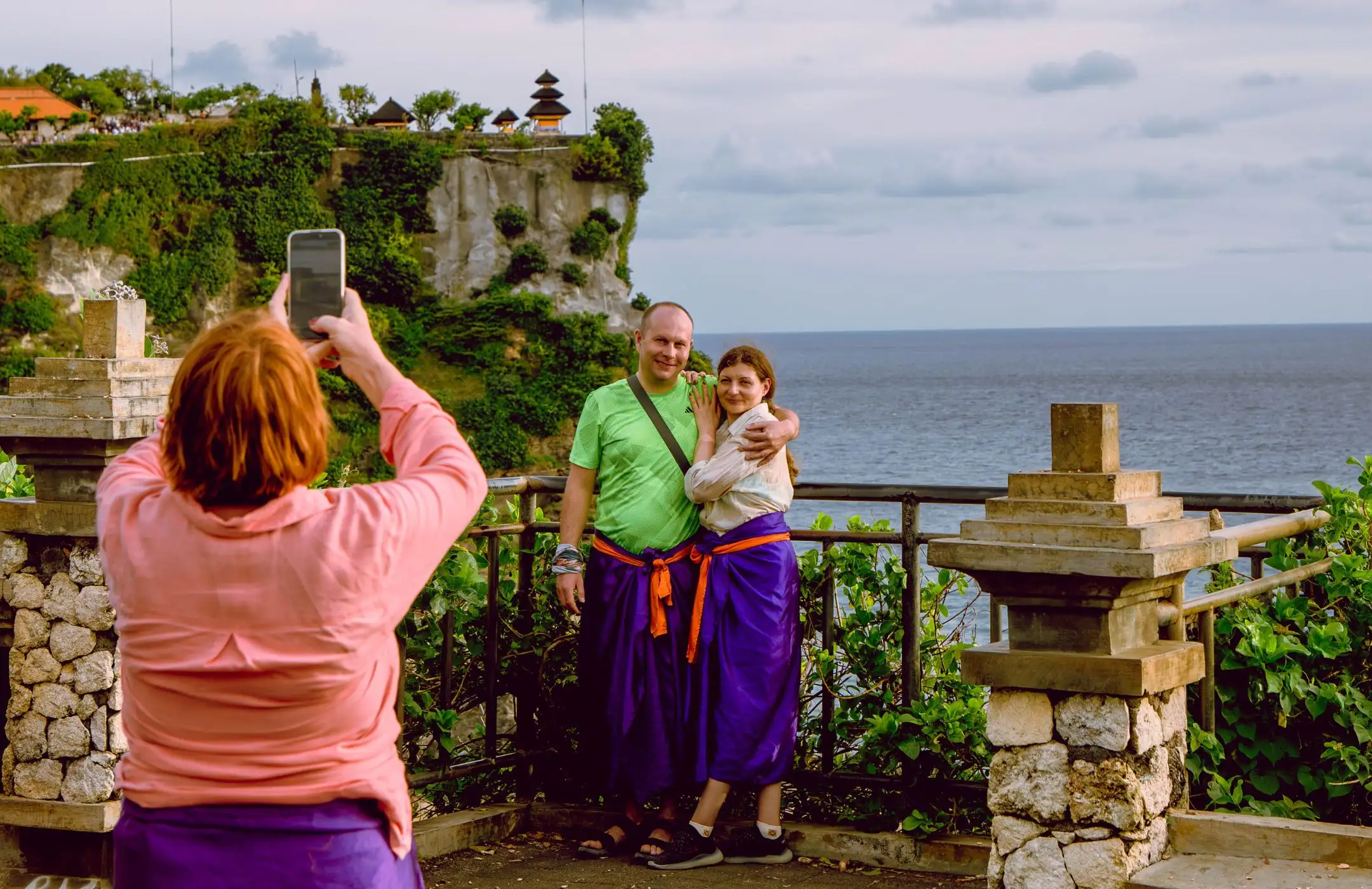
One destination can create many different travel memories.
At Uluwatu, one visitor may remember the sacred temple standing above the Indian Ocean. Another may save a video of the sunset, the Kecak Dance, or the dramatic limestone cliffs. Some travelers may prefer the turquoise water of Labuan Sait Beach, while others remember seeing Uluwatu’s sacred monkeys in their natural surroundings.
This is what makes the Uluwatu view different from a single scenic stop.
Uluwatu Temple Bali brings together sacred heritage, ocean landscapes, cultural performance, protected wildlife, and one of southern Bali’s most recognizable beaches. Each part offers a different reason to take a photograph, record a short video, or simply stop and observe the surroundings.
Which one would you save for your Bali trip?
Explore these six Uluwatu views and choose the one that belongs on your travel list.
1. The Sacred Temple View
The first view represents the spiritual foundation of Uluwatu.
Uluwatu Temple, also known as Pura Luhur Uluwatu, is a sacred Balinese sea temple standing on a limestone cliff approximately 70 meters above the Indian Ocean.
From the designated visitor pathways, parts of the temple can be seen against the open sky and wide ocean horizon. The combination of traditional architecture, stone structures, sacred forest, and coastal landscape creates one of the most recognizable views in southern Bali.
However, the temple should not be treated only as a background for photographs.
Uluwatu remains an active place of worship connected to Balinese Hindu beliefs, ceremonies, and spiritual traditions. Some sections are reserved for prayer and may not be entered by general visitors.
The strongest temple photograph is not always the closest one. A wider composition can show the relationship between the sacred structure, the cliff, and the Indian Ocean without entering restricted areas or disturbing worshippers.
Visitors must wear a sarong and sash, dress modestly, and follow the temple guidelines throughout their visit.
Would you save the sacred temple view because of its architecture, spiritual meaning, or dramatic position above the sea?
2. The Uluwatu Sunset View
For many travelers, the Uluwatu sunset is the moment they wait for all afternoon.
As the sun moves closer to the horizon, the strong daylight becomes softer. The cliffs take on warmer tones, the ocean begins reflecting the evening sky, and the temple structures appear as clear silhouettes against the light.
This view works especially well for photographs and short travel reels because several visual elements can be captured in one frame:
- Golden evening sky
- Wide Indian Ocean horizon
- Temple silhouette
- Limestone cliffs
- Moving ocean waves
- Visitors walking in sarong and sash
Arriving before 5:00 PM gives visitors enough time to enter the temple, follow the dress requirements, explore the public pathways, and find a safe viewpoint before the final sunset period.
Those planning to watch the Kecak Dance should also arrive early because the performance is popular and requires a separate ticket.
The best sunset content does not need complicated editing. A stable video showing the changing sky, ocean movement, and temple silhouette can communicate the destination clearly.
Would this be your favorite Uluwatu travel inspiration, or would you choose a view with more cultural action?
3. The Cliffside Ocean View
The Uluwatu cliffs create the scale that makes the landscape immediately recognizable.
The limestone coastline rises high above the Indian Ocean, with pathways extending along parts of the temple area. From designated viewing sections, visitors can see the cliff faces, ocean waves, distant horizon, and temple surroundings in one wide view.
This is one of the best perspectives for showing how Uluwatu Temple connects with nature.
A close-up photograph may capture an architectural detail, but a cliffside ocean image explains the destination more completely. It shows why Uluwatu is not simply another temple and why the natural landscape is an essential part of the visitor experience.
The cliffs are also an important reminder to prioritize safety.
Visitors must remain inside designated areas, avoid unstable surfaces, and never sit, climb, or stand on boundary walls for photographs. A wider camera angle can create a strong sense of height without placing anyone close to the edge.
Unauthorized drone use should also be avoided. Drones may disturb ceremonies, wildlife, worshippers, and other visitors.
Would you save this view because it shows the scale of the coastline, or does the sunset still come first?
4. The Kecak Dance View
The Kecak Dance view brings movement, sound, storytelling, and sunset into one experience.
Uluwatu Kecak Dance takes place in a cliffside amphitheater overlooking the Indian Ocean. The performance is based on the Ramayana and features characters including Rama, Shinta, Rahwana, and Hanoman.
Unlike many other performances, Kecak uses no musical instruments. The rhythm is created through synchronized voices repeating the well-known “cak-cak-cak” chant.
From the amphitheater seats, visitors can see the circular formation of performers with the changing evening sky behind them. As the story develops, movement, chanting, costumes, and the Hanoman fire scene add strong visual moments.
However, the performance should not be reduced to a fire show.
It carries cultural meaning through Ramayana storytelling, collective chanting, and elements inspired by Balinese tradition. The sunset is part of the setting, but the performance remains the main experience.
Visitors should arrive before 5:00 PM, follow the seating arrangements, stay seated during the show, avoid loud conversations, and take photographs without flash.
The Kecak Dance ticket is separate from the Uluwatu Temple entrance fee and parking fee. Cash payment is recommended.
Would you choose this view because it combines sunset with Balinese culture?
5. The Labuan Sait Beach View
Uluwatu’s visual story continues beyond the temple area.
Labuan Sait Beach, also widely known as Padang-Padang Beach, offers a different coastal view with white sand, turquoise water, limestone cliffs, and a narrow rock passage leading toward the beach.
Compared with the wide cliffside landscape at Uluwatu Temple, Labuan Sait feels closer to the water. Visitors can see the waves from the sand, watch surfers, take photographs near the limestone surroundings, or enjoy the beach when conditions are safe.
The beach is internationally known for its surfing identity and has hosted the Rip Curl Cup Padang Padang. However, it is more than a surf spot.
Visitors can also come for swimming when the ocean is suitable, sunbathing, coastal photography, and a relaxed morning before continuing to Uluwatu Temple.
A practical one-day itinerary can begin at Labuan Sait Beach, continue to Uluwatu Temple in the afternoon, and finish with the Kecak Dance at sunset.
When visiting, follow lifeguard guidance, avoid entering rough water, keep the beach clean, and respect any areas being used for ceremonies or local activities.
Would the beach view earn a place in your saved Bali itinerary?
6. The Sacred Monkey Moment
The sacred monkeys of Uluwatu are another recognizable part of the destination, but they must be approached responsibly.
Long-tailed macaques live around Uluwatu Temple and Labuan Sait Beach. In the temple’s cultural context, they are connected to the spiritual identity of the area and are often described as sacred guardians.
A monkey sitting near the forest, walking along a pathway, or observing the surroundings can create a memorable photograph. However, visitors should never force an interaction for content.
Do not feed, touch, chase, tease, or move too close to the monkeys. Random feeding is not allowed and may create unsafe behavior.
Before entering the temple area, secure loose belongings such as:
- Sunglasses
- Hats
- Phones
- Jewelry
- Food
- Water bottles
- Small bags and accessories
Should a monkey take an item, remain calm and contact temple staff. Do not chase the animal or attempt risky retrieval.
The most responsible monkey photograph is taken from a safe distance while allowing the animal to behave naturally.
Would you save a sacred monkey moment as part of your Uluwatu visit, or would you keep your camera focused on the temple and ocean?
Which Uluwatu View Matches Your Travel Style?
Each view shows a different side of the destination.
The sacred temple view introduces Uluwatu’s spiritual heritage.
The sunset view captures its most recognizable evening light.
The cliffside ocean view shows the scale of its natural landscape.
The Kecak Dance view brings together chanting, Ramayana storytelling, performance, and sunset.
The Labuan Sait Beach view adds white sand, turquoise water, and surf culture.
The sacred monkey moment represents the protected wildlife that forms part of Uluwatu’s cultural and ecological identity.
Together, these views show why Uluwatu is more than one attraction. It is a complete culture and nature destination that can fill one meaningful day in Bali.
Which one would you save first?
Comment your favorite Uluwatu view: Sacred Temple, Sunset, Ocean Cliffs, Kecak Dance, Labuan Sait Beach, or Sacred Monkeys.
Save this article for your Bali trip and share it with someone you want to visit Uluwatu with.
Respect the temple. Protect the wildlife. Enjoy Uluwatu responsibly.