
Why Uluwatu Is More Than Just a Sunset Spot
For many travelers, Uluwatu is first known for one thing: sunset.
The golden sky above the Indian Ocean, the dramatic limestone cliffs, and the silhouette of a temple create one of the most recognizable views in southern Bali. It is easy to understand why visitors arrive in the late afternoon with cameras ready.
But reducing Uluwatu to a sunset viewpoint means missing most of what makes the destination meaningful.
Uluwatu Temple, the Kecak Dance, Labuan Sait Beach, protected wildlife, Balinese ceremonies, and the surrounding coastal landscape form one connected experience. Together, they show how culture, nature, spirituality, and responsible tourism can exist within one destination area.
The Uluwatu sunset may be the visual hook, but it is only one part of a much larger story.
Uluwatu Temple Is a Living Sacred Site
The spiritual foundation of Uluwatu begins at Pura Luhur Uluwatu.
Built on a limestone cliff approximately 70 meters above the Indian Ocean, Uluwatu Temple is one of Bali’s important sacred sea temples. It is also recognized as part of the Sad Kahyangan, the group of principal temples connected to the spiritual balance of the island.
The location creates an unforgettable view, but the temple’s significance goes beyond its setting.
Uluwatu remains an active place of worship. Balinese Hindu communities continue to pray, hold ceremonies, present offerings, and maintain the sacred traditions connected to the temple.
For visitors, this means Uluwatu should be approached as a Bali spiritual destination, not simply as a historical structure or photo background.
Guests must wear a sarong and sash, dress modestly, remain within designated public areas, and follow staff instructions. Some sections are reserved for worshippers and religious activity.
A respectful visit allows travelers to appreciate both the natural beauty and the spiritual purpose of the site.
The Cliffs Are Part of Uluwatu’s Identity
The Uluwatu cliffs are not only a dramatic setting behind the temple. They are a major part of the destination’s visual and natural identity.
The limestone coastline rises high above the Indian Ocean, creating wide views across the water and recognizable temple silhouettes along the cliff edge.
From designated pathways, visitors can see:
- The sacred temple above the sea
- Waves moving below the cliffs
- The open ocean horizon
- Coastal vegetation
- Limestone formations
- Sunset light changing across the landscape
The cliffs explain why Uluwatu feels different from many other temple destinations in Bali. The natural landscape and sacred architecture are experienced together.
However, the height of the cliffs also requires responsible behavior.
Visitors should never climb, sit, or stand on boundary walls for photographs. They should remain on approved pathways and avoid unstable areas near the edge.
Unauthorized drone use should also be avoided. Drones may disturb worshippers, ceremonies, wildlife, performers, and other visitors.
The strongest view is one that can be enjoyed safely and respectfully.
Kecak Dance Adds Culture to the Sunset
One of the main reasons Uluwatu is more than a scenic viewpoint is the daily Kecak Dance.
The performance takes place in an open-air amphitheater overlooking the Indian Ocean. It combines synchronized chanting, Ramayana storytelling, movement, dramatic characters, and a fire sequence.
Unlike performances that rely on musical instruments, Kecak Dance Bali creates its rhythm through the repeated “cak-cak-cak” voices of the performers.
The circular formation, collective chanting, costumes, and characters such as Rama, Shinta, Rahwana, and Hanoman bring the Ramayana story to life.
The sunset adds atmosphere, but the Kecak Dance should not be described only as a sunset fire show.
Its value comes from the combination of:
- Balinese performance tradition
- Ramayana storytelling
- Synchronized vocal rhythm
- Collective movement
- Cultural symbolism
- The cliffside amphitheater
- The natural evening setting
Visitors are encouraged to arrive before 5:00 PM. The gate opens at 4:00 PM, while the performance usually runs from 6:00 PM to 7:00 PM daily.
The Kecak Dance ticket is separate from the Uluwatu Temple entrance fee and parking fee. Cash payment is recommended.
During the performance, visitors should remain seated, avoid loud conversations, follow staff instructions, and take photographs without flash.
Labuan Sait Beach Expands the Uluwatu Experience
Uluwatu’s identity also extends beyond the temple area.
Labuan Sait Beach, widely known as Padang-Padang Beach, adds another side to the destination through white sand, turquoise water, limestone cliffs, surfing, and a narrow rock passage leading toward the shore.
The beach has a different atmosphere from Uluwatu Temple.
At the temple, visitors experience height, sacred architecture, cliffside pathways, and wide ocean views. At Labuan Sait, they move closer to the water and experience the coastline from the beach itself.
Depending on ocean conditions, visitors can enjoy:
- Swimming
- Sunbathing
- Surfing
- Watching surfers
- Coastal photography
- Surf lessons
- A relaxed morning by the sea
Labuan Sait is also internationally connected to surfing culture and the Rip Curl Cup Padang Padang. The event is held only when wave conditions reach the required level, so exact dates should never be presented as guaranteed.
The beach can be combined with Uluwatu Temple and the Kecak Dance in one practical day.
A simple itinerary can begin at Labuan Sait Beach in the morning, continue to Uluwatu Temple in the afternoon, and end with Kecak Dance at sunset.
This makes Uluwatu a complete destination rather than a short sunset stop.
Sacred Monkeys Are Part of the Cultural Landscape
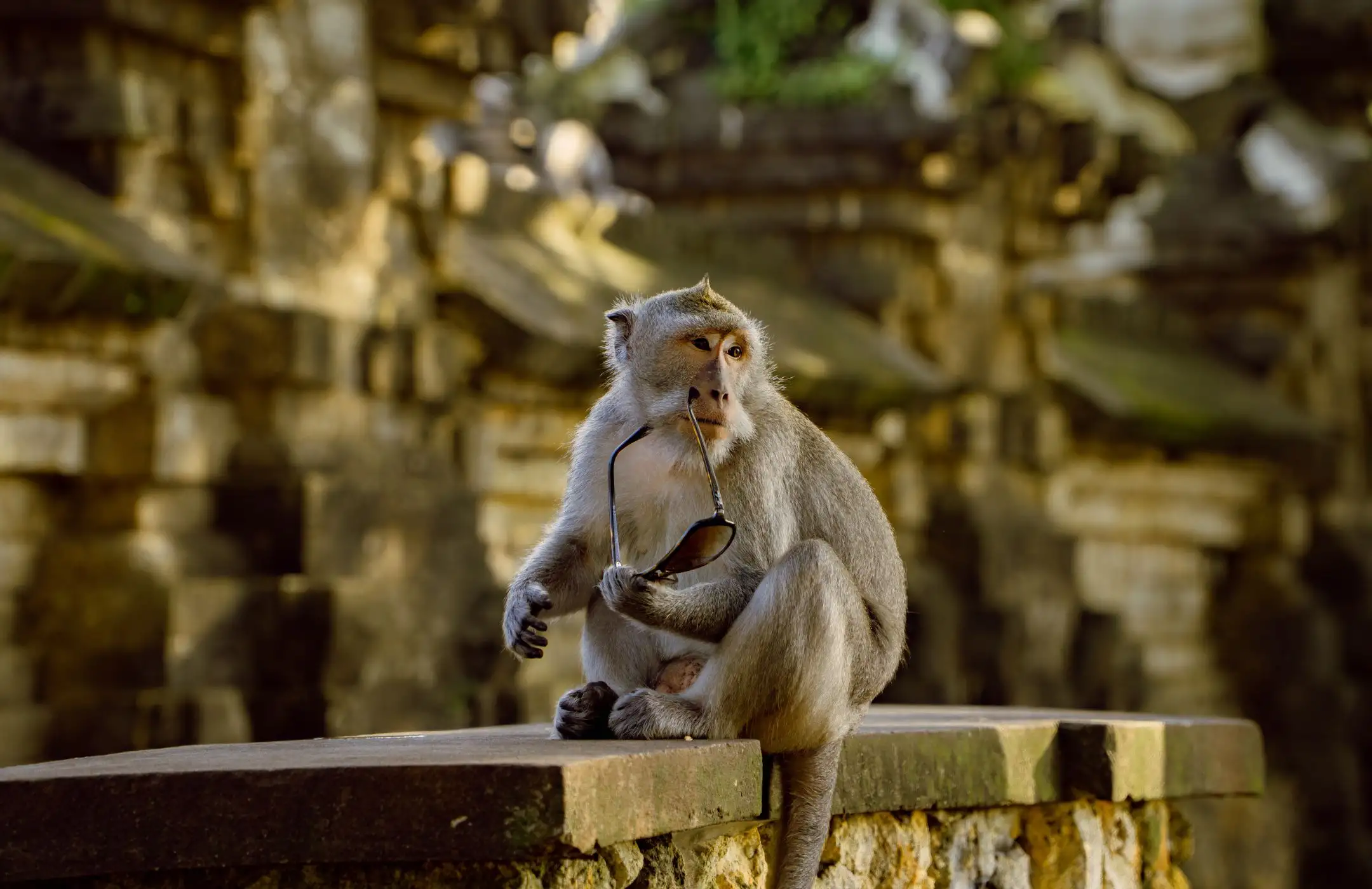
The long-tailed macaques living around Uluwatu Temple and Labuan Sait Beach are another important part of the area.
They are not simply animals that happen to live near a tourist attraction.
Within the cultural context of Uluwatu, the monkeys are often described as sacred guardians. They are connected to the temple’s spiritual identity and form part of the wider ecological landscape.
This is why sacred monkeys Bali content should always be communicated responsibly.
Visitors should not feed, touch, tease, chase, or intentionally approach the monkeys for photographs. Random feeding is not allowed and may encourage unsafe behavior.
Loose belongings should be stored securely, including:
- Sunglasses
- Hats
- Phones
- Jewelry
- Food
- Water bottles
- Small accessories
When a monkey approaches, visitors should remain calm. If an item is taken, temple staff should be contacted for assistance.
Conservation efforts in Uluwatu include wildlife health monitoring, feeding management, habitat protection, visitor education, and veterinary support.
These programs show that the monkeys are not treated only as attractions. They are protected wildlife within a destination that connects culture, spirituality, nature, and responsibility.
Ceremonies Show That Uluwatu Is Still Living
Uluwatu is also shaped by living Balinese traditions.
Ceremonies such as Piodalan, Melasti, and Tumpek Uye or Tumpek Kandang show that the destination is not a static heritage site. It continues to function as part of the spiritual and community life of Bali.
Melasti is held before Nyepi and involves sacred purification near the ocean. At Labuan Sait Beach, processions, offerings, prayers, and sacred objects may become part of the coastal environment.
Tumpek Uye or Tumpek Kandang is held according to the Balinese Pawukon calendar and honors animals as part of the balance between humans, nature, and the spiritual world.
At Uluwatu, this ceremony has a special connection to the sacred monkeys.
Visitors who encounter a ceremony should follow local instructions, respect restricted areas, avoid interrupting processions, and give worshippers sufficient space.
These moments should never be presented as entertainment staged for tourists. They are sacred practices that existed before tourism and remain meaningful to the local community.
Uluwatu Brings Culture and Nature Together
The real strength of the destination is the combination known as Uluwatu culture and nature.
The temple represents sacred heritage and spirituality.
The cliffs represent the natural landscape.
The Kecak Dance represents cultural performance and Ramayana storytelling.
Labuan Sait Beach represents the coastal experience and surfing identity.
The monkeys represent protected wildlife and cultural belief.
The ceremonies represent living Balinese traditions.
The sunset connects these elements visually, but it does not replace them.
This is why Uluwatu should be positioned as an official culture and nature destination rather than only as a popular sunset location.
It gives travelers the opportunity to experience several dimensions of Bali in one area, while also learning how to visit responsibly.
Responsible Tourism Protects the Experience
A meaningful Uluwatu visit depends on respectful visitor behavior.
At the temple:
Wear the required sarong and sash
Dress modestly
Remain in public visitor areas
Respect worshippers and ceremonies
Avoid climbing walls or sacred structures
Do not fly a drone without authorization
Around the monkeys:
- Secure loose belongings
- Keep a safe distance
- Do not feed or touch them
- Ask staff for help if an item is taken
At the Kecak Dance:
- Arrive before 5:00 PM
- Keep conversations quiet
- Remain seated
- Do not use flash photography
- Respect the performers
At Labuan Sait Beach:
- Follow lifeguard guidance
- Avoid rough water
- Keep the beach clean
- Respect ceremony zones
- Do not climb unstable rocks
These guidelines do not reduce the experience. They help protect the cultural, natural, and spiritual environment that makes Uluwatu worth visiting.
See the Sunset, but Discover the Full Destination
The sunset may be the first image that attracts travelers to Uluwatu, but it should not be the only reason they come.
Uluwatu Temple offers sacred heritage.
The Kecak Dance brings Balinese culture and Ramayana storytelling to the cliffside amphitheater.
Labuan Sait Beach adds white sand, turquoise water, and surfing identity.
The sacred monkeys introduce protected wildlife and conservation.
Balinese ceremonies show that the destination remains spiritually and culturally active.
Together, these experiences make Uluwatu more than a viewpoint. They make it a living destination where culture, nature, spirituality, wildlife, and community traditions meet.
Save Uluwatu for more than sunset.
Come for the temple, the cliffs, the Kecak Dance, the beach, the wildlife, and the deeper cultural experience.
Respect the temple. Protect the wildlife. Enjoy Uluwatu responsibly.


